
Introduction
Musakhan is a Palestinian dish of chicken baked on flatbread with caramelized onions, sumac, and allspice—the onions become jammy and sweet while the bread absorbs all the savory juices from the chicken and spices. This recipe takes about 2 hours total and feeds 2–4 people with minimal hands-on work after the initial browning step. The result is a complete one-pan meal where bread, protein, and sauce arrive together.
Recipe Details
- Prep Time: 20 minutes
- Cook Time: 100 minutes
- Total Time: 120 minutes
- Servings: 2–4
Ingredients
- 1 ea. (about 3½ pounds / 1.5 kg) whole free-range chicken
- Salt, to taste
- Freshly-ground black pepper, to taste
- ½ cup extra virgin olive oil
- 3½ pounds (1.5 kg) onions, peeled and sliced thin
- ¼ cup soumak
- ½ teaspoon ground allspice
- 2 large khubz ‘arabi (Arabic flatbread or pita bread), split open and separated
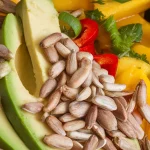
- Pine nuts to decorate
Instructions
- Cut the chicken up into two breasts, two thighs, two legs, and two wings. Salt and pepper the chicken.
- In a large, deep pot, heat ¼ cup of the olive oil, then lightly brown the chicken on all sides over a medium heat, about 20 minutes. Remove and set aside.
- Add the remaining ¼ cup olive oil to the pot and cook the onions until translucent, about 35 minutes, stirring occasionally.
- Add the sumac and allspice and cook for 2 minutes to mix.
- Preheat the oven to 350°F (175°C).
- Cover a 9 x 12-inch baking dish with the Arabic bread. Spoon half the onions over each, then arrange the chicken on top of the onions and cover with the remaining onions and the juices from the casserole.
- Bake until the chicken is golden crisp and almost falling off the bone, about 1½ hours.
- Roast the pine nuts in a pan until golden in olive oil.
- Sprinkle with the roasted pine nuts and serve with yoghurt.
Variations
Swap sumac for pomegranate molasses. Use the same ¼ cup quantity, added at the same step. The molasses will give you tartness and deeper color but less of the bright, lemony tang that sumac brings.
Use bone-in, skin-on chicken thighs instead of a whole bird. This reduces the baking time to about 45 minutes and is easier to portion before serving. The meat stays juicier at the shorter cook time.
Add chickpeas. Stir in 1 cup cooked or canned chickpeas (drained) when you add the sumac and allspice. This makes the dish more substantial and adds protein without changing the flavor profile.
Layer with labneh or cream. Spread a thin layer of labneh or Greek yogurt on the bread before adding the onions and chicken. This adds richness and a cooling element that balances the sumac’s tartness.
Toast the flatbread lightly before layering. Brush the bread with olive oil and toast it in the oven at 350°F for 3–4 minutes before adding the onions. This prevents it from becoming too soft and absorbing excess moisture.
Tips for Success
Brown the chicken properly in step 2. Don’t rush this step—let the pieces sit in the hot oil long enough to develop a light golden crust on each side. This builds flavor and helps the chicken stay moist inside during the long bake.
Stir the onions occasionally. As they cook down over 35 minutes, they should turn soft and golden, not brown or crispy. Stir every 8–10 minutes to ensure even cooking and prevent sticking on the bottom.
Don’t skip roasting the pine nuts separately. Toasting them in oil brings out their nutty flavor and gives them a golden color that makes a visual difference. This takes only 2–3 minutes once the chicken is in the oven.
Check the chicken’s doneness by pulling. At the end of the 1½-hour bake, the meat should shred easily when you pull it with a fork. If it still feels firm, give it another 10–15 minutes.
Let the dish rest for 5 minutes after baking. This allows the bread to set slightly and the juices to redistribute, making it easier to serve without the bread falling apart.
Storage and Reheating
Store the entire dish in an airtight container in the refrigerator for up to 3 days. The bread will soften over time as it absorbs more juice—this is normal and still tastes good.
Reheat on the stovetop over medium-low heat, covered, for about 10 minutes, stirring gently. Alternatively, cover the dish loosely with foil and warm it in a 325°F oven for 15–20 minutes. Avoid the microwave, which will make the bread rubbery and the chicken tough.
This dish does not freeze well because the bread texture breaks down upon thawing and reheating.
FAQ
Can I use chicken breasts only instead of a whole bird?
Yes, but reduce the baking time to about 45 minutes. Breasts cook faster than thighs and legs, and they’ll dry out if left in the oven too long. Check for doneness early.
What if I can’t find soumak at my local grocery store?
Pomegranate molasses, lemon zest mixed with a pinch of salt, or sumac-free seasoning blends can work in a pinch, though the flavor will shift. Online specialty retailers and Middle Eastern markets are reliable sources for soumak.
Can I make this ahead and bake it later?
Yes. Assemble the dish in the baking dish up through step 6 (before baking), cover it tightly, and refrigerate for up to 8 hours. Add 10–15 minutes to the baking time if you’re baking straight from the cold state.
Is there a substitute if I’m allergic to tree nuts?
Omit the pine nuts entirely or replace them with toasted sesame seeds or sunflower seeds for crunch and a savory garnish. The dish works well without a nut topping.
Attribution: Recipe text from “Cookbook:Baked Chicken with Onions, Sumac and Allspice (Musakhan)” on Wikibooks (© Wikibooks contributors).
License: CC BY-SA 4.0 — https://creativecommons.org/licenses/by-sa/4.0/
Additions: Editorial additions and formatting changes were made for clarity and usability. Ingredients, instructions, and other sections may be adapted where appropriate.