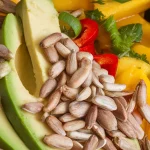

Introduction
Caponata is a Sicilian vegetable stew of eggplant, tomatoes, capers, and olives that tastes best served cold the next day, when the vinegar and sugar have mellowed into the other flavors. The dish requires patience—salting the eggplant for several hours draws out bitterness—but the actual cooking is straightforward, and it keeps well in the refrigerator for several days, making it an excellent make-ahead option for entertaining or meal prep.
Recipe Details
- Prep Time: 20 minutes plus 3 hours salting time
- Cook Time: 40 minutes
- Total Time: 3 hours 60 minutes
- Servings: 2
Ingredients
- 2 ¼ pounds (1 kg) eggplant (aubergine)
- ½ pound (225 g) green olives packed in brine, pitted
- 6 ounces (170 g) salted capers, rinsed
- 1 ¼ (570 g) pounds celery ribs
- 1 cup tomato sauce (optional)
- ⅔ pound (300 g) onions
- ⅔ pound (300 g) tomatoes
- ⅓ cup vinegar
- 2 tablespoons sugar
- Basil
- ⅜ cup pine nuts
- Olive oil
- Salt
Instructions
- Strip the filaments from the celery sticks and blanch in lightly salted water for five minutes. Drain and cut the celery into bite-size pieces, sauté them in a little oil, and set aside.
- Wash and dice the eggplant, strain, and sprinkle liberally with salt, and let sit for several hours to draw out the bitterness. In the meantime, blanch, peel, seed and chop the tomatoes.
- Once the eggplant has sat, rinse away the salt and pat the pieces dry. Finely slice the onion and sauté them in olive oil; once they have turned translucent, add the capers, pine nuts, olives, and tomatoes. Continue cooking, stirring with a wooden spoon, until the tomatoes are done, about 15 minutes, and then remove the pot from the heat.
- While the tomatoes are cooking, heat another pan of oil and fry the eggplant, in batches, to prevent lowering of the frying temperature. When the last batch is done, return the tomato pot to the heat and stir in the eggplant together with the previously sautéed celery. Cook for several minutes over low flame, stirring gently, then stir in the vinegar and the sugar; when the vinegar has almost completely evaporated, remove the pot from the fire and let it cool.
- Serve the caponata cold with a garnish of fresh basil. Caponata keeps for several days in the refrigerator.
Variations
Add tomato sauce for depth: Stir in the optional 1 cup tomato sauce along with the eggplant in step 4 for a richer, more cohesive sauce texture and deeper tomato flavor.
Use raisins instead of sugar: Replace the 2 tablespoons sugar with 3 tablespoons raisins, added when you stir in the capers and olives. This adds a traditional Sicilian sweet note and chewy texture without separate sweetness.
Make it spicy: Add ½ teaspoon red pepper flakes to the onion oil before sautéing the onions, or sprinkle them over the finished dish. The heat will cut through the richness of the fried eggplant.
Swap celery for fennelwith fennel bulb: Replace the celery ribs with an equal weight of fresh fennel bulb, trimmed and cut into bite-size pieces, using the same blanching and sautéing method. Fennel adds a subtle licorice note that complements the capers and vinegar.
Double the pine nuts: Increase to ¾ cup pine nuts for a nuttier, more textured finish, especially if you prefer a heartier bite in every spoonful.
Tips for Success
Fry the eggplant in batches: Crowding the pan lowers the oil temperature, causing the eggplant to absorb oil instead of crisping. Work in small batches and let the oil return to heat between them.
Watch for the vinegar to almost completely evaporate: This is your signal that the flavors have balanced. If vinegar remains sharp or tastes raw, the dish will be harsh when cold; if you remove it too early, it won’t mellow properly overnight.
Serve it cold the next day: The flavors marry and mellow overnight in the refrigerator. If you serve it the same day it’s made, the vinegar will taste sharp and the textures haven’t fully set. A day-old batch tastes noticeably better.
Taste and adjust salt at the end: The capers, olives, and rinsed capers add significant salt; add fresh salt only after the vinegar has cooked down, tasting as you go to avoid over-salting.
Storage and Reheating
Store caponata in an airtight container in the refrigerator for up to 4 days. It does not freeze well—the eggplant texture breaks down and becomes mushy when thawed.
Serve cold directly from the refrigerator; reheating is not necessary and will warm the dish unevenly. If you prefer it at room temperature, remove it from the fridge 30 minutes before serving.
FAQ
Can I make caponata ahead for a dinner party?
Yes—in fact, it improves with time. Make it 1 to 2 days ahead and store it covered in the refrigerator, then serve it cold. This also eliminates last-minute cooking stress.
What if I don’t have fresh tomatoes?
Use canned crushed tomatoes or the optional 1 cup tomato sauce instead. You’ll skip the blanching and peeling step and use the canned tomatoes directly in step 3, reducing the overall cooking time by about 5 minutes.
How much vinegar flavor should I taste in the final dish?
The vinegar should add a subtle brightness, not taste sharp or dominant. If the finished caponata still tastes aggressively vinegary after it cools, it was removed from heat too early. Conversely, if it tastes flat, it may have cooked down too much; start with slightly less vinegar next time.
Why do I need to blanch and peel the tomatoes?
Blanching loosens the skin for easy peeling and removes the waxy coating, allowing the tomato flesh to soften and integrate into the stew more evenly. Canned tomatoes skip this step, so fresh tomatoes benefit from the extra care.
Attribution: Recipe text from “Cookbook:Caponata (Sicilian Eggplant and Vegetables)” on Wikibooks (© Wikibooks contributors).
Source: https://en.wikibooks.org/wiki/Cookbook:Caponata_%28Sicilian_Eggplant_and_Vegetables%29
License: CC BY-SA 4.0 — https://creativecommons.org/licenses/by-sa/4.0/
Additions: Editorial additions and formatting changes were made for clarity and usability. Ingredients, instructions, and other sections may be adapted where appropriate.