
Introduction
Halo-halo is a Filipino layered dessert that combines shaved ice, sweet beans and coconut gel, creamy flan, and ube ice cream in one bowl. The components are assembled fresh and finished with evaporated milk, creating a texture that shifts from icy to creamy as you eat. This is a make-ahead dessert that comes together in minutes once the components are chilled.
Recipe Details
- Prep Time: 10 minutes
- Cook Time: 0 minutes
- Total Time: 10 minutes
- Servings: 2
Ingredients
- 1½ cup shaved ice
- ½ cup chickpeas in syrup
- ½ cup red mung beans in syrup
- ⅓ cup nata de coco (coconut gel in syrup)
- ¼ cup kaong in syrup
- 1 tbsp ube jam (sweet purple yam paste)
- 2 scoops ube ice cream
- 2 ea. 2 inch cubes leche flan
- ½ cup evaporated milk
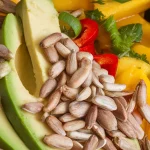
- Pinipig (toasted flattened rice), for serving (optional)
Instructions
- Cover the bottoms of two serving bowls or glasses with a layer of shaved ice.
- Top the ice with the chickpeas, mung beans, nata de coco, kaong, and ube jam.
- Top with ube ice cream and leche flan, then pour the evaporated milk over everything.
- Sprinkle with pinipig, if using.
Variations
Use sweetened black beans instead of red mung beans. Black beans absorb the evaporated milk differently, creating a deeper, earthier sweetness that still complements the ube.
Swap the ube ice cream for vanilla. This lightens the purple yam intensity and lets the other toppings shine; it’s especially good if you want to highlight the coconut gel and caramelized flan flavor.
Layer in a large bowl for sharing. Instead of two individual servings, combine all ingredients in a single large bowl; guests can serve themselves and the flavors blend together as everyone eats.
Replace the evaporated milk with sweetened condensed milk. This makes the dessert richer and slightly thicker; use the same amount.
Add a thin layer of macapuno (shredded coconut preserve) between the ice and toppings. This intensifies the tropical flavor without changing the texture.
Tips for Success
Keep all components—ice, canned fruits, ice cream, and flan—cold before assembly. Warm components will melt the ice too quickly and create a diluted mixture rather than the intended layered texture.
If you make the leche flan ahead (which many home cooks do), unmold it and store it in an airtight container in the fridge for up to 3 days. Slice it into cubes only when you’re ready to assemble.
Shave the ice as fine and fluffy as possible; dense, chunky ice melts too fast. A food processor with the shredding attachment or a commercial ice shaver works better than a standard blender.
Assemble just before eating. Once the cold components touch the ice, melting begins—this is the dessert’s appeal, but waiting more than a few minutes will result in a watery soup rather than distinct layers.
Storage and Reheating
FAQ
Can I use store-bought or homemade ube ice cream? Either works. Store-bought is faster; homemade lets you control sweetness. The flavor is the main change, not the texture or assembly.
What if I can’t find pinipig? Pinipig adds a light, crispy texture and subtle rice flavor, but it’s optional. You can skip it entirely or substitute with crushed graham crackers or toasted coconut flakes for a similar crunch.
How far ahead can I prepare the components? Prepare everything except the shaved ice the night before and store in the fridge. Shave the ice no more than 2–3 hours before serving, or it will refreeze into a dense block. Assemble the dessert within minutes of serving.
Can I use regular ice cream instead of ube? Yes. Vanilla, cream cheese, or coconut ice cream all pair well with the sweet beans and flan. The purple yam flavor is distinctive but not essential to the structure of the dessert.
Attribution: Recipe text from “Cookbook:Halo-Halo (Filipino Layered Dessert)” on Wikibooks (© Wikibooks contributors).
Source: https://en.wikibooks.org/wiki/Cookbook:Halo-Halo_(Filipino_Layered_Dessert)
License: CC BY-SA 4.0 — https://creativecommons.org/licenses/by-sa/4.0/
Additions: Editorial additions and formatting changes were made for clarity and usability. Ingredients, instructions, and other sections may be adapted where appropriate.